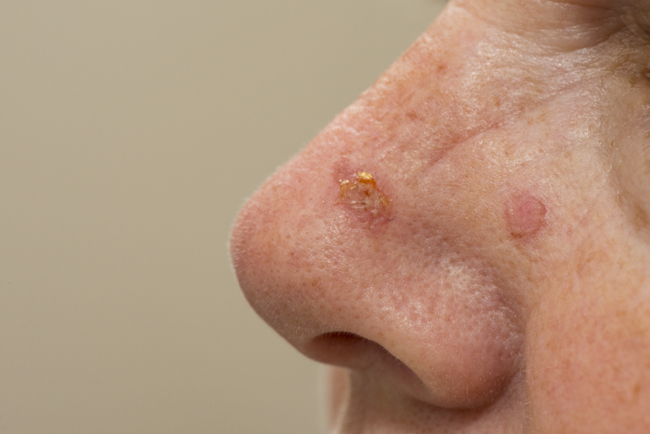
Medical & Surgical Dermatology
We provide comprehensive dermatology services related to all aspects of skin disorders, including:
- Boils
- Cysts
- Dermatitis
- Eczema
- Hair loss and nail disorder
- Mohs Micrographic Surgery
- Pediatric dermatology
- Poison Ivy
- Shingles
- Skin examination/ skin cancer screening
Skin Cancer
What is Skin Cancer?
Skin cancer is the out-of-control growth of abnormal cells in the epidermis, the outermost skin layer, frequently caused by unrepaired DNA damage that triggers mutations. These mutations lead the skin cells to multiply rapidly and form malignant tumors. The main types of skin cancer are basal cell carcinoma (BCC), squamous cell carcinoma (SCC), and melanoma. Ultraviolet radiation (either from sun exposure or from tanning beds) are two of the main factors contributing to the development of skin cancer. The good news is that if skin cancer is caught early, your dermatologist can typically manage it with one of several treatment options available. Often, the doctor may even detect the growth at a precancerous stage, before it has become a full-blown skin cancer or penetrated below the surface of the skin.
Skin cancer is the most common form of human cancers, affecting more than one million Americans every year. One in five Americans will develop skin cancer at some point in their lives. Skin cancers are generally treatable if diagnosed sufficiently early. People who have previously had skin cancer are at a higher risk of developing a new skin cancer, which is why regular self-exams and regular skin examinations with a dermatology provider are highly recommended.
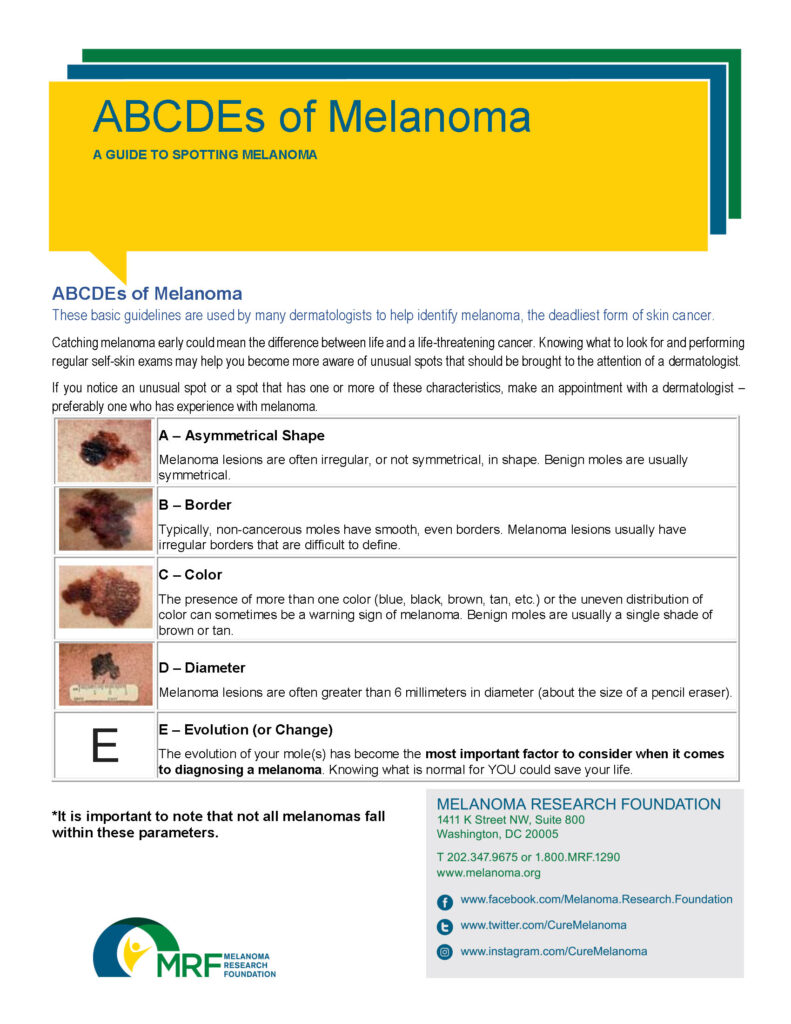
Early Detection Can Save Your Life
(Click on the image below to download and save.)
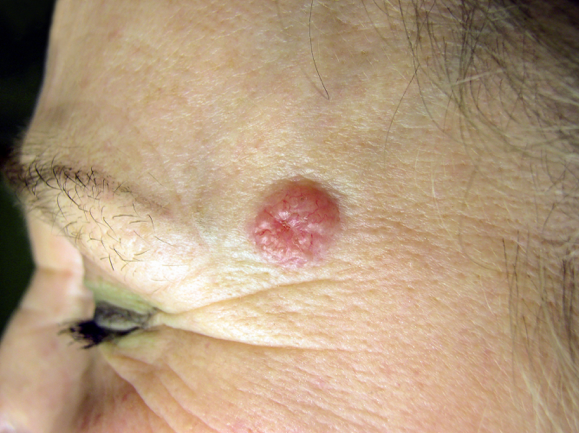
Basal Cell Carcinoma
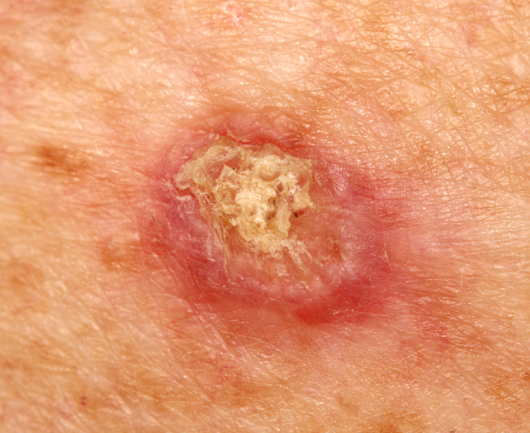
Squamous Cell Carcinoma
Photodynamic Therapy
Photodynamic Therapy (PDT) is used to treat pre-cancerous lesions, also known as Actinic Keratosis. It is important to treat these lesions as some of them may progress to squamous cell carcinoma (SCC), the second most common form of skin cancer. PDT therapy involves three steps. The first step is “the application” of Levulan (Aminolevulinic Acid 20%) to the skin followed by “incubation”, where the medication sits on the skin for 1-2 hrs. The last step involves the blue light being applied to the area to “activate” the medication. This therapy has been FDA approved. Possible side effects of this treatment include discomfort, burning, swelling, blistering, redness and possible skin peeling, especially in any areas of sun damaged skin and pre-cancerous lesions of the skin. The peeling may last approximately one week, especially if there is an exuberant response to the treatment. This therapy is not appropriate if you have certain conditions, such as being pregnant or having a photosensitivity disorder (such as lupus or porphyria), or if you are taking certain medications (or other vitamins or herbs) that may contain photosensitizing agents. Following the treatment, you should avoid direct sunlight for at least 48 hours, including exposure through windows.